January is one of the most common times of year patients come to see me with concerns about hair loss.
If you’ve recently noticed more hair in your brush, on your pillow, or in the shower, you’re certainly not alone. Each January, I have the same conversation repeatedly in clinic, often with patients who have never worried about their hair before.
The good news is that winter hair loss is very common, and in many cases it is both understandable and manageable. With the right assessment and early intervention, treatments such as PRP hair treatment in Belfast can be extremely effective at supporting healthier, stronger regrowth.
In this article, I’ll explain why hair loss often becomes noticeable in January, when it’s a normal seasonal change, and when it’s a sign that your hair follicles need extra support.
Why Does Hair Loss Seem Worse in Winter?
Hair growth works on a cycle, which means what you notice in January often reflects what your body experienced several months earlier.
Winter places a unique combination of stresses on the body and hair follicles are particularly sensitive to these changes.
Reduced Vitamin D Levels
In Northern Ireland, reduced daylight hours during autumn and winter commonly lead to low vitamin D levels.
Vitamin D plays an important role in:
- Hair follicle cycling
- Cell regeneration
- Immune system regulation
When levels drop, more hair follicles can shift into the resting phase of the growth cycle, leading to increased shedding several weeks later. This is something I frequently see during January consultations.
Post-Holiday Stress and Illness
December often brings:
- Emotional and physical stress
- Disrupted sleep
- Dietary changes
- Viral illness
Any of these can trigger a type of hair loss called telogen effluvium, where a larger number of hairs enter the shedding phase at the same time. The shedding itself typically appears 8–12 weeks later, which is why January is such a common time for patients to become concerned.
While telogen effluvium is usually temporary, it can be extremely distressing and in some cases it unmasks underlying thinning that was already developing.
Cold Weather and Reduced Scalp Circulation
Cold temperatures cause blood vessels to constrict, including those supplying the scalp.
Reduced circulation means:
- Less oxygen reaching hair follicles
- Slower delivery of nutrients
- Reduced follicle stimulation
Over time, this can contribute to thinning, particularly in areas already prone to hair loss such as the temples, parting, or crown.
Hormonal Changes
For many women, winter can highlight hormonal imbalances.
Stress, reduced daylight, and seasonal changes can influence:
- Cortisol levels
- Thyroid function
- Perimenopausal symptoms
Hair is often one of the first places these internal changes become visible, and January is when many women first begin to notice altered density or increased shedding.
Scalp Dehydration
Indoor heating dries the skin and scalp, creating inflammation and irritation. A healthy scalp environment is essential for hair growth, and chronic dryness can interfere with normal follicle function.
Is Winter Hair Loss Always Something to Worry About?
Not always.
Some degree of seasonal shedding is normal. However, January is often the point where underlying issues reveal themselves, rather than being caused solely by the season.
I would recommend seeking professional advice if you notice:
- Thinning rather than short-term shedding
- A widening parting
- Receding temples or crown thinning
- Reduced ponytail or bun thickness
- Hair not regrowing after shedding
Early assessment makes a significant difference. Hair loss is always easier to manage when addressed promptly.
How PRP Hair Treatment Can Help
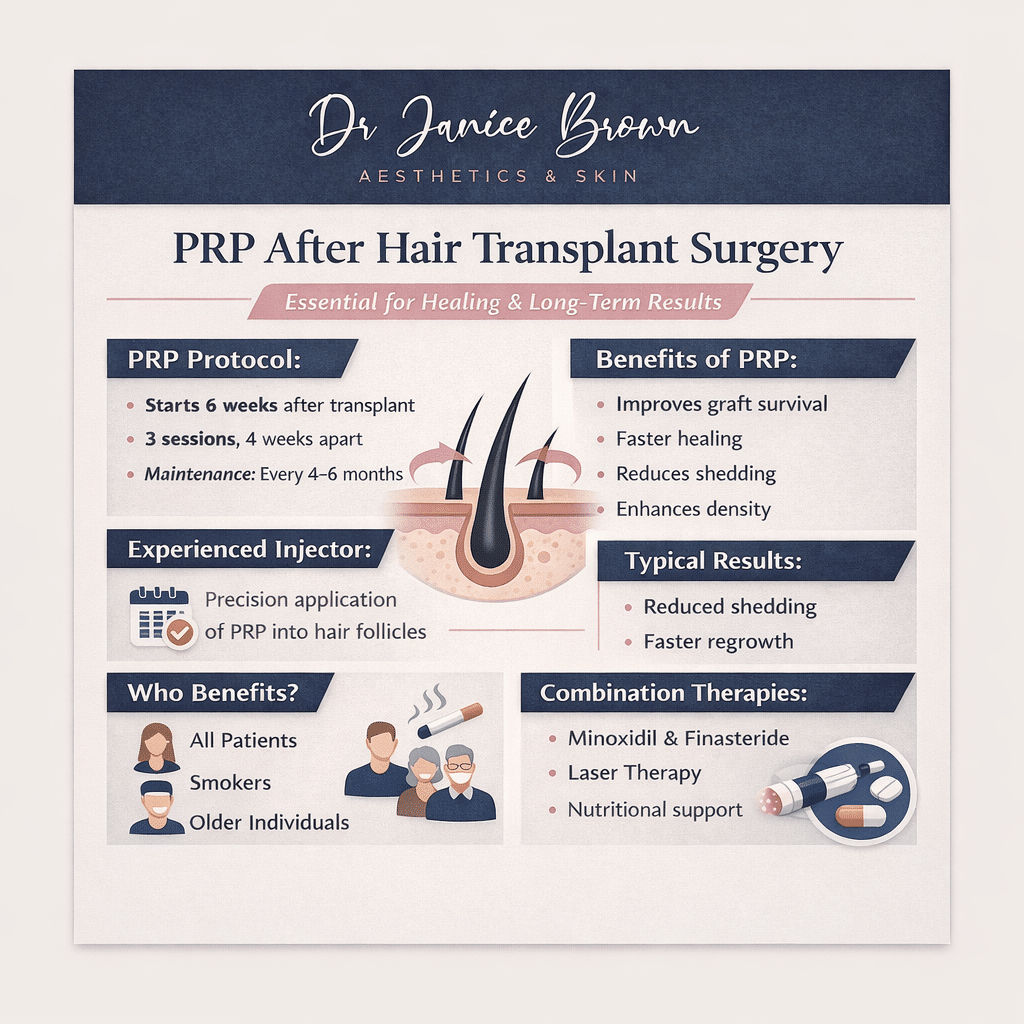
One of the most effective, non-surgical options I offer for hair thinning is PRP hair treatment.
PRP (platelet-rich plasma) uses your own blood to stimulate and support the hair follicles in a natural, medically led way.
The process involves:
- Taking a small blood sample
- Concentrating the platelets and growth factors
- Injecting the PRP directly into targeted areas of the scalp
PRP works by:
- Improving blood supply to the follicles
- Reducing inflammation around the hair root
- Encouraging dormant follicles back into the growth phase
- Supporting thicker, stronger hair over time
It does not create new hair follicles, but it can significantly improve the quality, density, and longevity of existing hair.
Why January Is an Excellent Time to Start PRP Hair Treatment in Belfast
January is actually one of the best times of year to begin PRP hair treatment.
Planning for Visible Results
Hair growth takes time. Patients who start PRP in January often see:
- Reduced shedding by early spring
- Early regrowth by late spring
- Improved density by summer
Starting now allows you to work with your hair growth cycle rather than against it.
Preventing Further Progression
Hair thinning is often gradual. Early treatment can slow progression and preserve existing density before more advanced loss occurs.
A Proactive, Structured Approach
January patients tend to be focused, motivated, and realistic about timelines — which leads to better adherence to treatment plans and better overall outcomes.
Who Is PRP Hair Treatment Suitable For?
PRP hair treatment in NI is suitable for many men and women, particularly those experiencing:
- Early male or female pattern hair thinning
- Seasonal or stress-related shedding
- Post-pregnancy hair loss
- Perimenopausal hair changes
- Reduced density without scarring
It is not appropriate for all types of hair loss, which is why consultation and diagnosis are essential.
A Medically Led, Safety-First Approach
As a medical aesthetic practitioner with over 15 years of clinical experience and a Master’s degree in Aesthetic Medicine, I take a medical, safety-first approach to every hair loss consultation.
My background in anatomy allows me to assess:
- Scalp health
- Vascular supply
- Hairline structure
- Pattern and cause of thinning
I am also a member of the Aesthetic Complications Expert Group (ACE), which ensures I practise to the highest standards of patient safety and care.
PRP hair treatment should never be a “one size fits all” approach. Every plan I create is personalised and grounded in medical assessment.
What Does the Evidence Say?
Clinical research supports PRP as a safe and effective option for non-surgical hair restoration in appropriately selected patients.
According to information available through the National Health Service and published medical literature, PRP has been shown to improve hair thickness, density, and growth phase duration when used correctly.
Supporting Hair Health Beyond PRP
PRP works best when combined with:
- Scalp optimisation
- Nutritional support
- Hormonal awareness
- Stress management
My approach is always to treat the underlying cause wherever possible, not simply the visible symptom.
When Should You Book a Consultation?
If you’ve become concerned about hair loss this January, I would encourage you not to ignore it.
An early consultation provides:
- Clarity and reassurance
- Proper diagnosis
- Honest advice
- A personalised treatment plan
Even if PRP is not the right option for you, you will leave with a clear understanding of what is happening and what steps, if any, are worth taking.
Book Your PRP Hair Consultation in Belfast
If winter hair loss has prompted concern, PRP hair treatment in Belfast may offer a safe, effective way to support your hair health.
At my clinic, consultations are:
- Personalised
- Medic-led
- Evidence-based
- Focused on natural, long-term results
Book your consultation today and take a calm, informed step towards healthier hair.
This article is provided for general information and reflects my clinical experience. It is not intended to replace a personal consultation, medical diagnosis, or individual advice. Hair loss has many possible causes and suitability for PRP treatment can only be confirmed following a full medical assessment. Results vary between individuals and no outcome can be guaranteed. Any treatment plan should be agreed after an in clinic consultation.